Cikk: Paris after midnight
Paris after midnight
A personal reflection on Paris, style, and the quiet moments that shape the way we see the world.
Coming from Eastern Europe, Paris almost felt unreal to me at first. Not simply because people dressed differently, but because the city seemed to encourage visibility itself. The street became a stage of quiet self-expression. People moved with intention, sometimes seductive, sometimes performative, sometimes simply with the desire to be seen as who they truly were. That contrast stayed with me. It was probably the moment I began discovering cities differently - not through nightlife itself, but through the emotional transformation that happens after dark. The way characters soften, sharpen, or reveal themselves under artificial light. The way silence changes posture. The way certain people suddenly seem more alive at 2am than they ever do during the day.
Paris changes after midnight. The city softens.
Long before Paris after dark became an aesthetic, Brassaï was already walking these streets with his camera. His photographs never chased glamour. They revealed a sleeping city - reflections on wet pavement, café lights dissolving into the fog, strangers who seemed to belong to the night more than the day. That Paris still exists. You simply have to stay awake long enough to find it. The noise fades into reflections on wet pavement, cigarette smoke outside hotel entrances, distant conversations escaping half-open café doors. Elegance becomes less performative at night. More instinctive
The people change too.
Writers still awake at 2am in Saint-Germain. Gallery owners crossing the Left Bank after dinner. It was also here that Yves Saint Laurent opened Rive Gauche in 1966, forever changing the relationship between luxury and everyday life. Models leaving quiet hotel bars near Palais Royal with smudged eyeliner and yesterday's tailoring still hanging perfectly from their shoulders. It is difficult not to think of Helmut Newton here. His photographs rarely celebrated perfection. They captured mystery: women who looked as though they had somewhere more important to be than the camera itself. Confident. Unapologetic. Never performing for attention. Designers smoking outside Le Carmen while old money disappears silently behind the doors of Hôtel Costes.
Paris belongs to different characters after midnight.
Not louder ones. More precise ones.
Walking through Paris after midnight, I often think about Anthony Vaccarello's vision of Saint Laurent. His collections rarely begin with garments alone. They begin with atmosphere, the skyline, wet pavement beneath the Eiffel Tower, and the quiet contrast between darkness and light. Fashion presented less as clothing and more as cinema.
It is no coincidence that Saint Laurent feels inseparable from Paris after dark. The oversized silhouettes, deep-tinted lenses and sharp tailoring never appear theatrical within the city itself. They simply become another character moving through it. A woman in old Céline carrying herself with quiet indifference. Phoebe Philo's Céline never relied on spectacle. It became a quiet language for people who wanted their confidence to speak more loudly than logos ever could. Rick Owens silhouettes cutting through empty streets like shadows shaped into fabric. Owens has never designed for conventional elegance. His work is often described as brutalist, yet there is something unexpectedly quiet about it. Architectural volumes, elongated proportions and a disciplined palette create clothes that feel almost sculptural rather than fashionable. In the stillness of Paris after midnight, that quiet intensity suddenly feels completely at home. A man in worn black Lemaire walking alone along the Seine before sunrise. Lemaire has always understood that true luxury rarely asks for attention. It reveals itself through proportion, movement and the way fabric follows the body rather than shaping it.The colder elegance of Demna’s new Gucci direction appearing under hotel light- severe, instinctive, slightly distant, yet impossible to ignore. Less interested in decoration than in emotional tension, it feels surprisingly at home in a city that becomes quieter, sharper and more introspective after midnight.
And then there are the people impossible to categorize entirely. The ones who feel most themselves only at night. Architects still sketching inside cafés after midnight. Creative directors somewhere between exhaustion and inspiration. Lovers sitting silently outside bars in Le Marais. Women wearing Cartier like it has belonged to them for years. Someone disappearing into the métro in thin metal frames catching neon reflections every few seconds.
And walking through Paris at night feels entirely different from moving through it during the day.
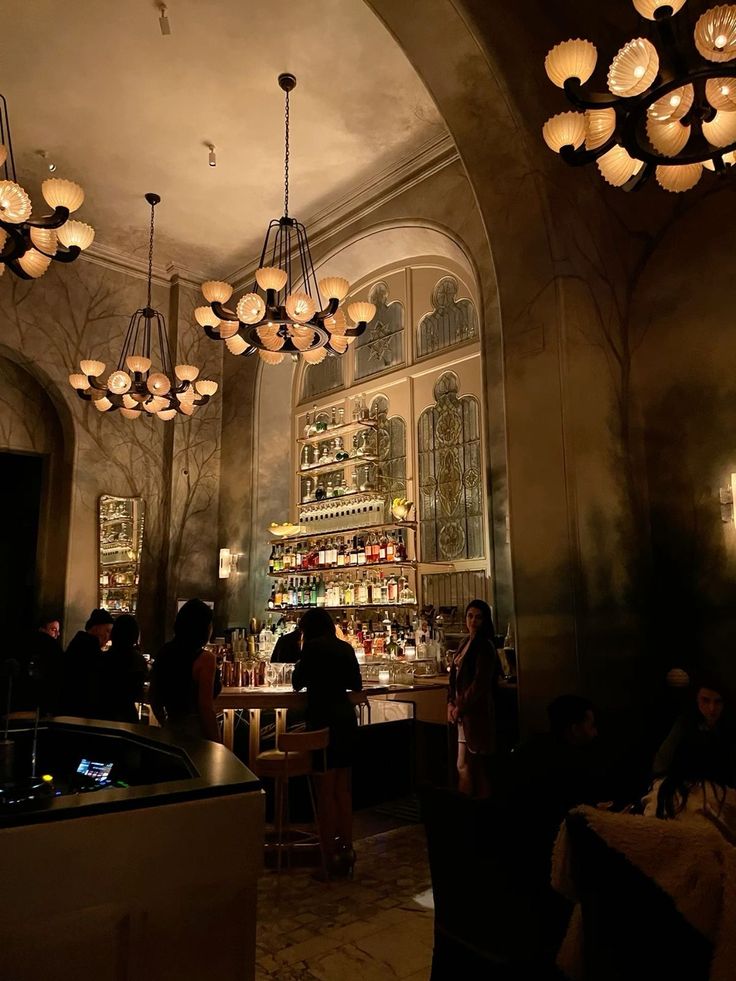
The city almost closes around you differently. Softer. Slower. The streets hold a kind of stillness, yet underneath it you can already feel the vibration of the next day beginning somewhere in the distance. Delivery trucks crossing empty boulevards. The first café lights preparing to reopen. Taxi reflections sliding silently across stone facades before sunrise.
There is loneliness in it, but also comfort. Almost like the city itself briefly exhales.
Darker colours feel almost inevitable after midnight. Black absorbs the city differently. Deep tones soften under artificial light, silhouettes become more defined, and people seem to move through the night with greater emotional clarity. Bright colours ask to be seen. Darkness allows presence to emerge more quietly. This is the version of Paris fashion rarely captured in daylight.
Not the polished tourist version.
Not the exaggerated fantasy.
The real one.
After years of working with luxury eyewear, I noticed something curious. People rarely choose the same frames for Paris that they would choose for Zurich, Copenhagen or Tokyo. Cities quietly shape taste. In Paris, recognition has never been the same as elegance. Paris has never rewarded excess. It rewards confidence carried without effort. The most memorable frames don't dominate a face. They become part of the person wearing them.
It is within this version of Paris that Sato feels most at home. It is within this version of Paris that Sato feels most at home. French sensibility gives the collection its attitude, while Japanese craftsmanship gives it discipline. Drawing from 1990s Paris, understated luxury and architectural restraint, the frames reveal themselves slowly rather than demanding attention. Under artificial light, lightweight titanium catches unexpected reflections while black acetate softens into something almost cinematic. Less designed for visibility than for presence, Sato becomes part of the atmosphere rather than simply an accessory.
Not simply as eyewear, but as something emotionally connected to the night itself. The frames carry that same tension Paris does after midnight — reflective surfaces, controlled darkness, architectural lines softened by movement and light. Less designed for daylight visibility, more for atmosphere, introspection and emotional presence. The quiet confidence that emerges only after hours. Artificial light changes eyewear more than most people realise. Black acetate softens. Brushed titanium begins reflecting the city in unexpected ways. Warm hotel lighting creates completely different colours than daylight. The same frame can feel almost architectural during the afternoon and deeply cinematic after midnight.
Paris after midnight has always belonged to individuals rather than trends.
Some houses seem impossible to separate from the city itself. Saint Laurent's sharp sensuality. The intellectual restraint of old Céline. Rick Owens bringing brutalist poetry into softness and movement. Lemaire's intimate simplicity. Even Gucci now feels darker again, less interested in performance. And nowhere is that quiet confidence more apparent than in a handcrafted Maison Bonnet frame, where craftsmanship has always mattered more than recognition.
The city shapes fashion differently at night.
Silhouettes become sharper. Black becomes softer. Objects gain presence.
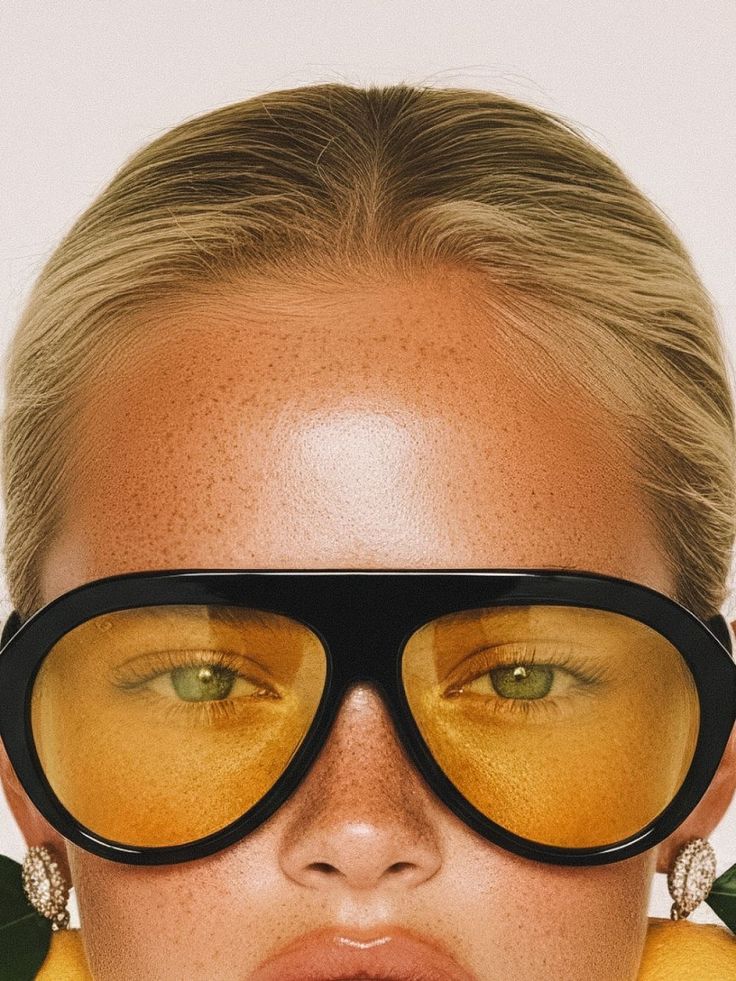
Tinted lenses create distance. Oversized acetate feels cinematic. Thin metal frames catch neon reflections differently depending on movement. Nothing feels purely functional anymore. Everything becomes part of mood.
And perhaps that is what makes Paris at night feel endlessly magnetic. Not luxury itself, but the emotional tension underneath it. The feeling that style becomes most interesting the moment it stops trying too hard.
The most memorable objects are never simply beautiful.
They carry context.
A city.
A conversation.
A journey.
A memory.
Eyewear becomes meaningful when it starts telling part of the story of the person wearing it. That search has quietly shaped ARTIVISTA from the very beginning. we have always been drawn to objects carrying this kind of presence. Pieces connected to memory, movement and permanence rather than temporary visibility Because the most memorable style rarely exists under perfect lighting.
It exists somewhere between shadow and light.
Some cities stay with us forever.
Not because of what we saw there,
but because of who we became while walking through them.